Buena Park highlight
Historic berry-farm roots
Buena Park's agricultural heritage as a center of berries and small-scale farming that shaped the city before suburban development.
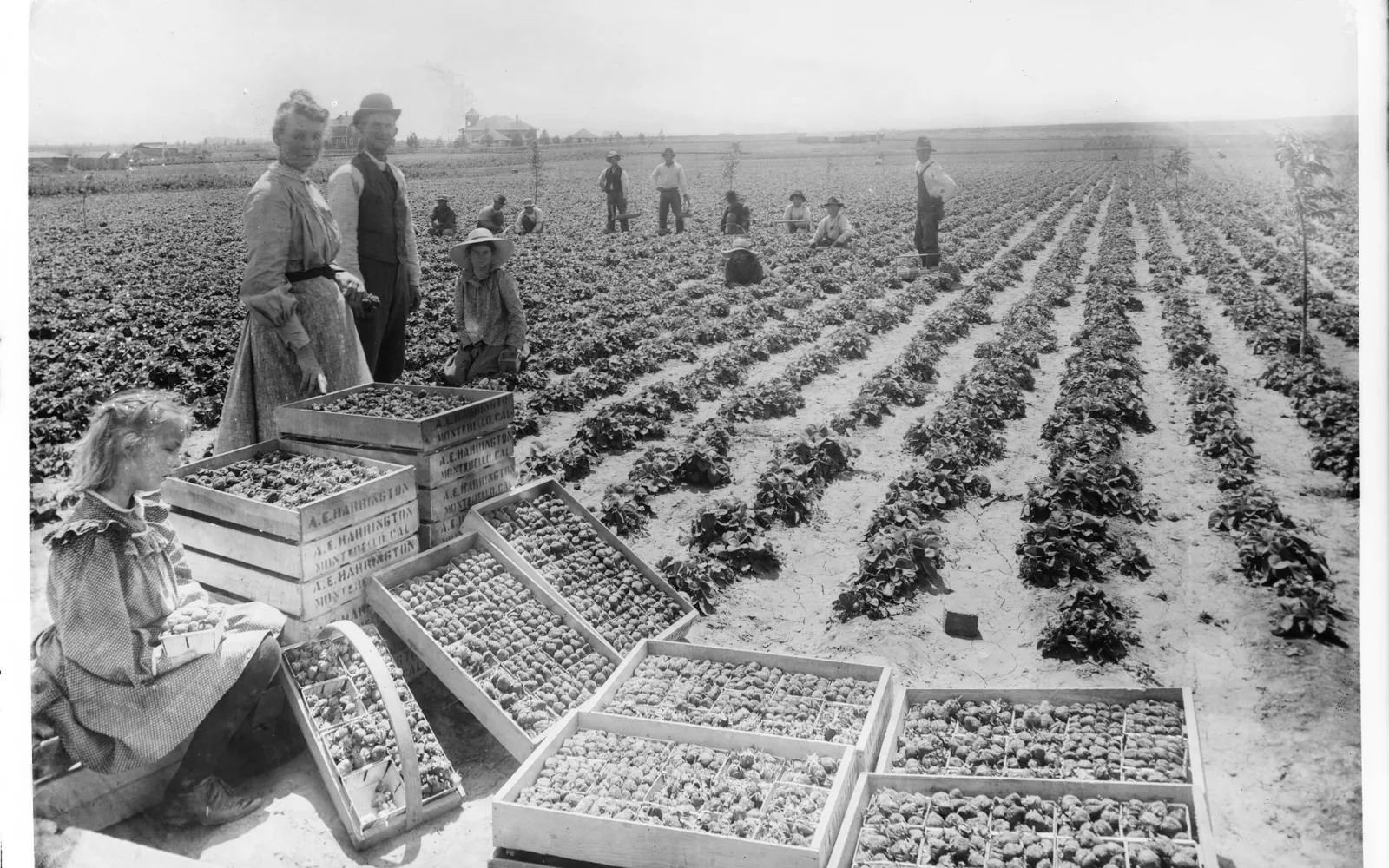
Before Buena Park became a suburban city and theme park destination, it was agricultural land devoted to growing berries. The Knott family's success with a berry stand and farm business was not unique—similar small-scale farming operations flourished in the area through the early and mid-20th century. Orange County's soils and climate supported fruit and vegetable farming, and Buena Park farmers supplied regional markets and farm stands.
The transition from farmland to suburban development happened gradually across the post-World War II decades. Small farms were subdivided into residential neighborhoods, agricultural workers became service and retail workers, and open land became city blocks. Buena Park's location between Los Angeles and Orange County made it valuable as residential and commercial land, and by the 1960s and 1970s the agricultural character had largely given way to housing and business development.
The agricultural heritage of Buena Park and Orange County represents how work itself has changed for California families. A small farm required the household to work together and built over time; modern income is often a single paycheck with a mortgage alongside it. That shift—from land as your security to income as your security—is why term life insurance sized to cover a household's obligations for the years it takes to raise children and pay off a home matters more now than it did when families had land and animals to fall back on.